Cooling
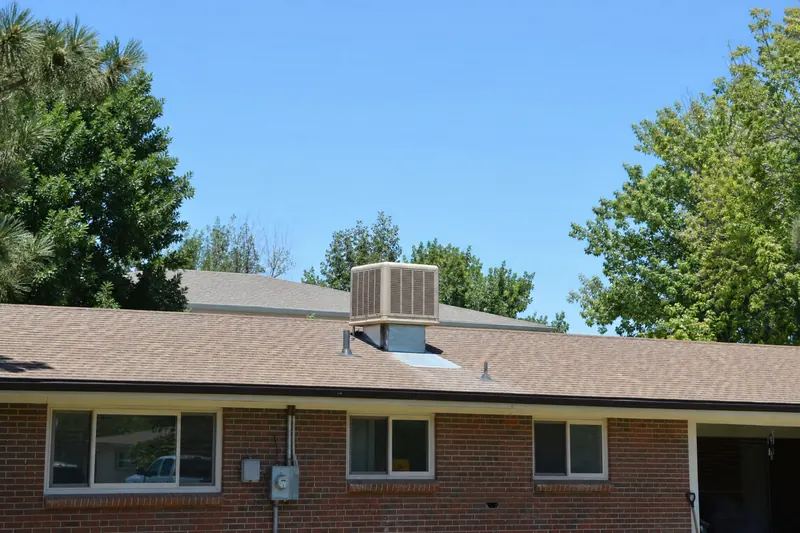
Front Range summers are hot by day, cool by night and dry most of the time, which is why rooftop evaporative coolers still sit on so many brick ranches from the 1950s to the 1970s. These features weigh coolers against central air and heat pumps, walk through a cooler's spring start-up and fall shutdown, deal with hail on the outdoor unit, the second floor that won't cool, and older houses with no ducts at all.
- Swamp Cooler, Central Air or a Heat Pump?A swamp cooler suits Denver's dry summers and uses about a quarter of central air's energy, but it needs open windows, water and roof upkeep, and it…
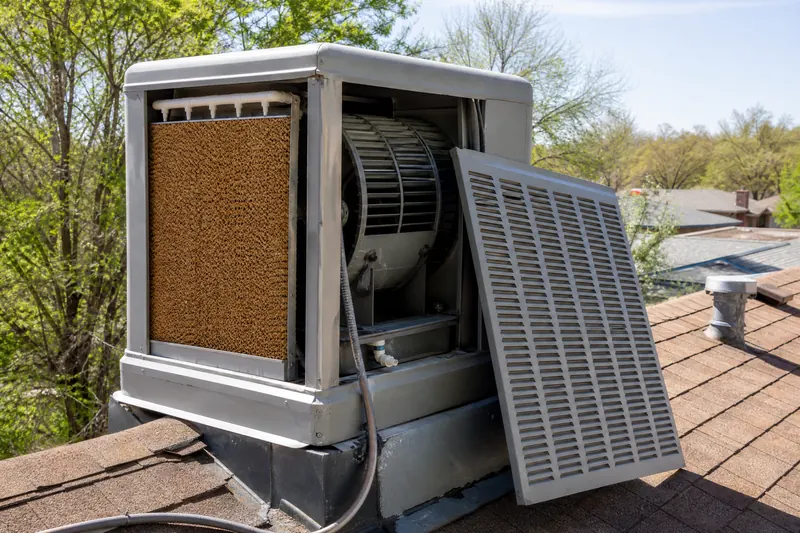
- Opening and Closing an Evaporative CoolerEvaporative cooler start up begins with the power off and locked out, then clean pads, a working bleed and water on before power. Fall shutdown runs…
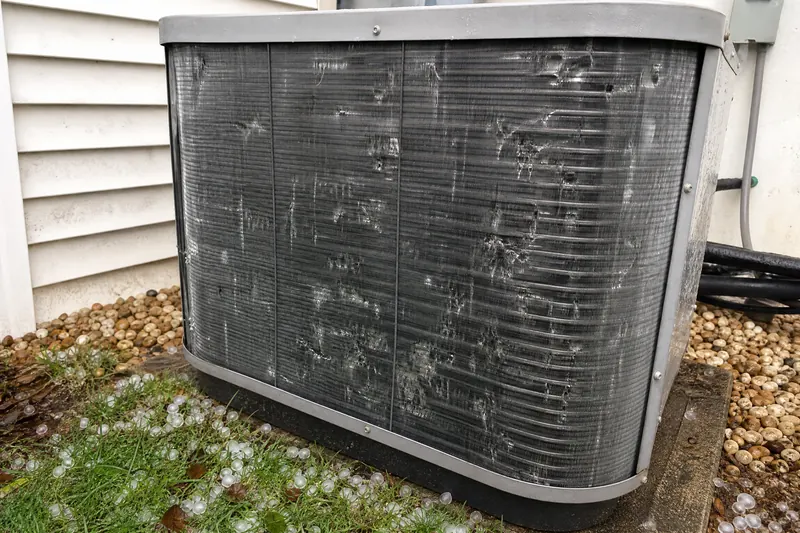
- When Hail Hits the Outdoor UnitHail damage to an AC condenser usually shows as flattened fins and dented panels. Switch a battered unit off at the disconnect, photograph…
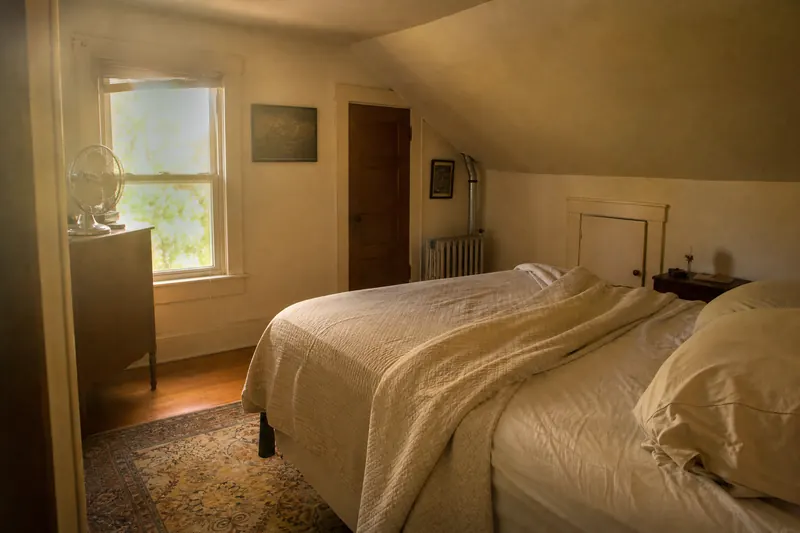
- Why the Upstairs Bakes and What HelpsUpstairs too hot in summer usually means three things stacked together: a sun-baked attic overhead, ducts that lose cool air on the way up, and a…
- Ductless Heat Pumps in Houses Without DuctsA ductless mini-split suits Denver's older brick houses because it needs no ductwork: a small refrigerant line through the wall links an outdoor unit…