Permits and Inspections for a New System
An HVAC permit in Denver, Aurora or Lakewood is required for a furnace, central AC, heat pump or swamp cooler replacement, even like for like. The contractor usually pulls it, an inspector checks the work, and that second look protects you.
By the editors of Heating & Cooling the Front Range · Sources checked
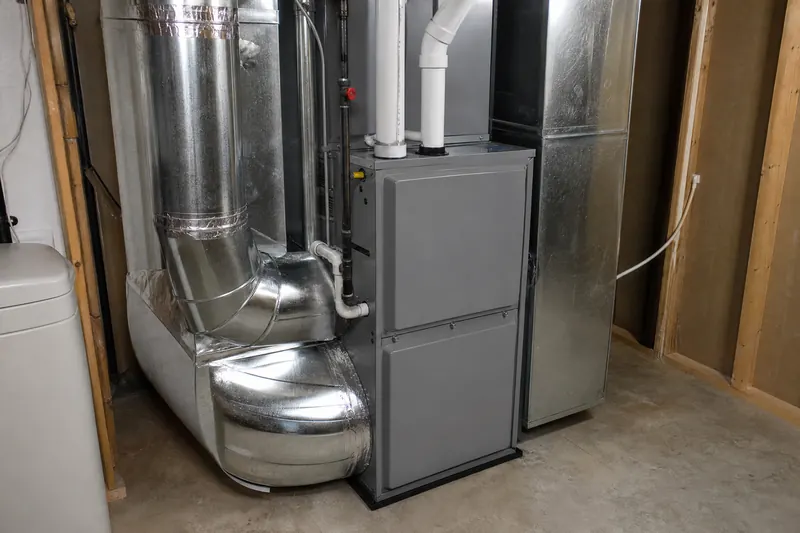
The new furnace sits in the basement where the old one stood, its cabinet clean and white, a run of bright galvanized duct climbing to the old trunk line. The crew has packed up. Somewhere on the job there should also be a permit card, and in a few days a city inspector should come to look at the gas connection, the venting, the wiring and the paperwork. From the basement stairs there is no way to tell whether that step is on the schedule, so it is worth asking.
Permits sound like red tape, and for a straight swap of one furnace for another it is tempting to treat them that way. But the permit is the only point in the job where someone who is not being paid by the installer looks at work involving gas, combustion venting, high-voltage wiring and refrigerant. It also ties the job to the efficiency rules, the carbon monoxide alarm law, and the rebates many households are counting on.
This piece covers what Denver and the main suburbs require for heating and cooling replacements, who is allowed to pull the permit, what inspections cover, and how to make sure it actually happened.
Part 1Does a like-for-like furnace or AC swap need a permit?
Yes, in every city covered here. Denver handles single-family and duplex replacements of air-conditioning compressor units, ductwork, evaporative coolers, forced-air heating and water heaters through its quick permit process. Quick means no plan review, not no inspection; the work is still inspected. This is as of the city's pages that could be read in 2026, which were archived copies, since denvergov.org blocks automated reading.
Aurora's homeowner handbook, DIY and Do It Right, has a table that leaves little room for argument: furnace replacements, central air conditioning, swamp coolers, water heater replacements and gas piping all say yes, always. Lakewood publishes separate residential permit types for replacing a furnace, an air conditioner, a furnace and air conditioner together, an evaporative cooler and a water heater.
The one common exception is small. Denver says a permit or license is not required to install a self-contained window air conditioner. A heat pump, a mini-split, a central air condenser or a rooftop cooler is not that.
Inspection types Aurora lists per job
number of inspection types
Part 2Who is allowed to pull the permit?
Usually the contractor, and that is part of what you are paying for. In Denver, contractor licensing is a two-step process: a person first earns a supervisor certificate, or holds a state electrical or plumbing license, and the business then gets a contractor license. For house work, the relevant certificate is the Heating and Ventilating Class B Supervisor, residential only. It covers one- and two-family homes and townhomes built under the residential code, including warm-air heating, evaporative cooling, gas piping, water heaters up to 100 MBtu and refrigeration systems of 5 tons or less. Getting it takes six years of residential heating and ventilating work, four of them as a journeyman.
Denver homeowners can pull their own permit, within limits. The city's homeowner permit applies only to an owner-occupied single-family house, not an ADU, townhome, condo or duplex. Mechanical and HVAC work requires passing an exam first, the owner must live in the house for at least a year after the work is done, and LLCs and trusts are not eligible. The exams are free.
The suburbs each run their own system. Aurora's Mechanical Systems Contractor license requires ICC Master Mechanical Contractor certification, and Aurora issues no separate plumbing or electrical contractor license, relying on state licenses for those trades. Lakewood registers contractors by class; a Class C Mechanical contractor may do all mechanical work and gas lines but may not install water heaters, which need a plumbing registration. Lakewood owners of a single-family detached house may pull their own systems permits, but townhome and condo owners must hire registered contractors.
Boulder will not issue a mechanical permit to anyone without a valid city mechanical license, apart from a homeowner working on their own home, and it does not accept licenses from other jurisdictions. Littleton requires a Class D-11 HVAC and mechanical license, which means a qualifying exam. Englewood accepts only ICC certification for its licensing exams. Arvada and Westminster run their own rules too; their sites could not be read for this piece, so check with each city's building division.
Part 3What does the inspector actually check?
The details vary by city and by job, but the categories are consistent. Aurora's table lists a mechanical inspection for a furnace replacement and gas piping, mechanical and electrical for central air and swamp coolers, and plumbing and electrical for a water heater. Broadly, the mechanical inspection is about the appliance with its gas and venting, and the electrical one about the circuit that feeds an outdoor unit or cooler; your city's building division can tell you what its own checklist covers.
Denver adds an efficiency check. Its quick permit page tells inspectors to ensure that replacement equipment meets current energy code efficiency standards. For split air conditioners and heat pumps, the floor is the federal minimum that applies in Colorado: 13.4 SEER2 for a split AC, and 14.3 SEER2 with 7.5 HSPF2 for a split heat pump.
Then there is carbon monoxide. Colorado's 2009 alarm law applies to permitted fuel-fired appliance replacements, so a new furnace or water heater is a moment when alarms within 15 feet of each bedroom entrance come due. The feature on carbon monoxide and gas furnaces covers placement.
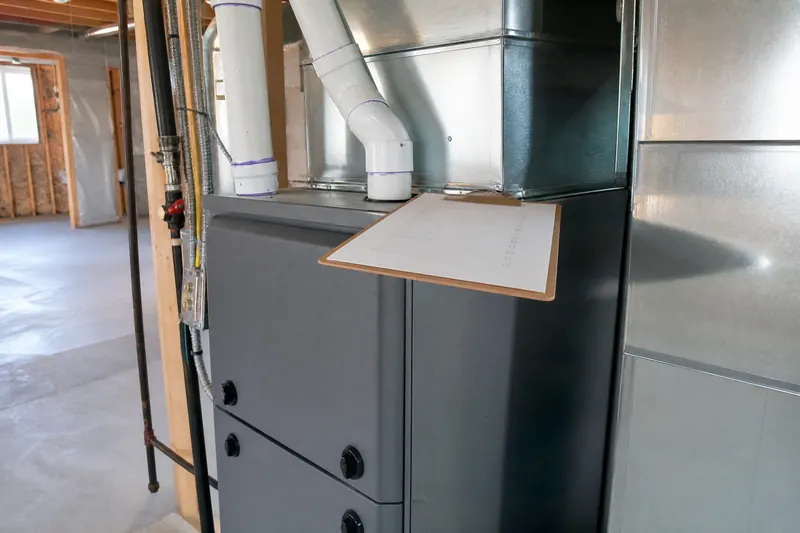
Part 4Why the permit matters more than it looks
The obvious reason is safety. A gas furnace that is vented wrong, or a condenser on an undersized circuit, can look perfectly tidy. The inspection is a second set of eyes on exactly the parts that can hurt people.
The less obvious reason is money. Xcel Energy marks some measures on its 2026 Colorado rebate summary as requiring a participating contractor. For Colorado's heat pump tax credit, the contractor must be registered with the state; it files the claim and shows your share as a discount on the bill. The regional Power Ahead rebate needs a verified contractor. Each of those programs assumes a legitimate, licensed installation. A contractor who skips permits is unlikely to be one who handles rebate paperwork carefully. The Xcel rebate and tax credit features have the 2026 details.
And there is the practical one. A permit leaves a record that the work was done and passed, which is useful when you sell, and when something goes wrong later and someone asks who installed it.
Part 5Refrigerant, gas and electrical: who may touch what
Three kinds of work on a heating and cooling job sit behind separate credentials. Refrigerant comes first. The EPA requires technicians who maintain, service, repair or dispose of equipment that could release refrigerant to hold Section 608 certification; residential split air conditioners and heat pumps fall under Type II. EPA does not issue the cards itself; the certifying organizations do. Apprentices are exempt only while closely and continually supervised by a certified technician. A homeowner permit does not change that: refrigerant handling still takes a certified technician.
Gas piping and electrical work are handled locally across most of the metro area. The state's Division of Professions and Occupations inspects electrical and plumbing work only where a city or county has no program of its own, and Denver, Adams, Arapahoe, Boulder, Douglas and Jefferson counties all run their own. The state's consumer page notes that not every trade is licensed by the state, naming general contractors and roofers, and tells consumers to check with their city. In practice the license that matters for a furnace or AC job is the one your city issues.
Part 6How to make sure the permit happened
Ask at the bid stage. A good contractor will say that the permit is included, who pulls it, and roughly when the inspection will be. Put it in the written contract. If you plan to pull a Denver homeowner permit yourself, be honest about the limits: refrigerant and gas work are still for licensed hands, and the exam is there for a reason.
On the job, look for the permit card or number and ask when the inspection is booked. Several cities, Aurora among them, offer an online contractor license lookup, and building departments can confirm whether a permit was issued for your address. For emergency replacements in the middle of a cold snap, Lakewood allows a contractor to start work and apply for the permit the next business day; that is a reasonable exception, not a reason to skip it.
The guide to choosing a contractor covers licenses, bids and load calculations, and the feature on Denver's rules when you replace covers what the city does and does not require of houses. If the replacement is a furnace or a heat pump decision, start with furnace or heat pump.
Common questions
Can a duplex or condo owner in Denver pull their own HVAC permit?
No. Denver's homeowner permits apply only to an owner-occupied single-family house, and they exclude duplexes, townhomes, condos and ADUs. A Denver-licensed contractor has to pull the permit.
Does a swamp cooler replacement need a permit in Aurora?
Yes. Aurora's handbook lists swamp coolers as needing a permit always, with electrical and mechanical inspections.
Can a Lakewood HVAC contractor replace my water heater?
Only if it also holds a plumbing registration. Lakewood's Class C Mechanical registration covers mechanical work and gas lines but not water heaters.
What happens if my furnace dies on a weekend in Lakewood?
A contractor can do emergency work and must apply for the permit the next business day, according to Lakewood's permit exemption rules.
Does Colorado license heating and cooling contractors statewide?
Not as far as this magazine could find; no state page read for this piece licenses them. The state's consumer guidance points people to their city, and Denver, Aurora, Lakewood, Boulder, Littleton and Englewood each run their own mechanical licensing.
Sources
- City and County of Denver — Quick Permits (archived March 2025) — single-family replacements, efficiency check at inspection
- City and County of Denver — Homeowner Permits (archived January 2025) — eligibility, exam, one-year occupancy
- City and County of Denver — Mechanical Certificates (archived January 2025) — Class B residential scope, experience, window units
- City of Aurora — DIY and Do It Right handbook — permit and inspection table
- City of Lakewood — Residential permit types — separate furnace, AC, cooler and water heater permits
- City of Lakewood — Contractor Registration — Class C mechanical scope
- City of Lakewood — Exemptions from permits — next-business-day rule for emergency work
- City of Boulder — Contractor Licensing — mechanical license required, no reciprocity
- Colorado General Assembly — 2009 Session Laws, ch. 51 — CO alarms on permitted appliance replacements
- U.S. GPO GovInfo — 10 CFR 430.32 — federal minimum efficiencies
- U.S. EPA — Section 608 Technician Certification — who must be certified, who issues cards
- Colorado DPO — Electrical and Plumbing Permits — where the state inspects