Thermostats for a Place Where Weather Swings
Thermostat settings for temperature swings on the Front Range come down to steady targets, modest setbacks and a thermostat that knows what it controls. A furnace handles deep nightly setbacks well; a heat pump needs gentler, heat-pump-aware schedules so strip heat stays off.
By the editors of Heating & Cooling the Front Range · Sources checked
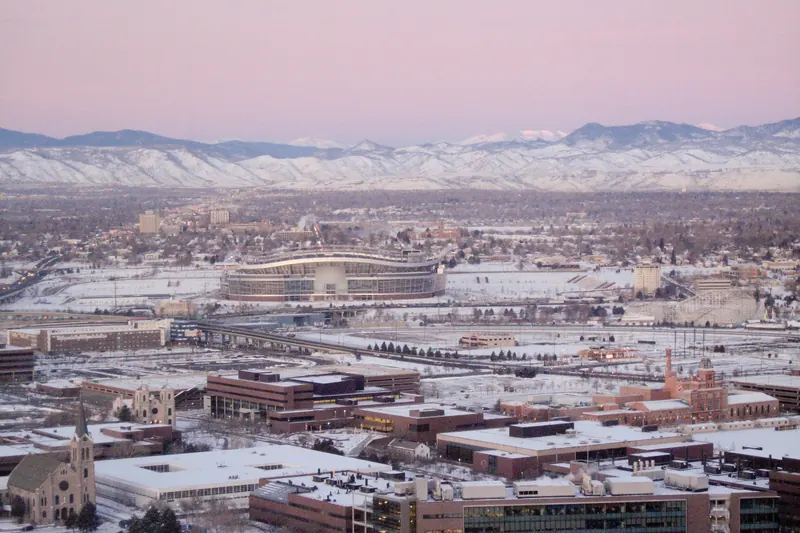
A January morning in Lakewood: bitter cold on the car thermometer, frost feathered across the inside of the storm windows, the furnace running in long, steady cycles. By late morning the wind is roaring out of the west, snow is slumping off every sunny roofline on the block, and the kids are outside in sweatshirts. By evening the wind drops, the sky clears, and the cold settles back in after dark.
That is a chinook, the warm, dry downslope wind that the National Weather Service in Boulder describes as plowing down the eastern slopes of the mountains under certain conditions. It is one of the reasons winter here feels so changeable, and it is also one of the reasons a thermostat set up for a steadier climate can behave oddly in a Front Range house: the house that needed heat all night may need none at all by lunch, and then needs a lot again by bedtime.
The answer is less about clever tricks than about matching the schedule to the equipment. Pick comfortable, steady targets. Use setbacks at night and while the house is empty if you heat with a furnace. If you heat with a heat pump, use small setbacks or none, on a thermostat built for heat pumps, so the electric backup heat stays off. And make sure the thermostat is not being fooled by the very sunshine that makes chinook days so pleasant.
Part 1What a chinook does to the heating load
The Colorado Climate Center counts a jump of 25 to 35°F in a short span as nothing unusual when a chinook arrives, and credits these winds with taking the edge off winter averages close to the foothills. The Boulder forecast office warns that gusts from 60 mph to nearly 100 can hit the foothills and reach into Boulder and Denver, with the rare extreme case topping 100.
For a house, that means two loads arriving at once. The warmer air cuts the heat the house needs, sometimes to nothing on a sunny afternoon. The wind pushes cold air through every gap in the shell on the windward side, which is why a drafty bungalow can feel chilly on a warm, gusty day while a tight newer house feels fine. Then, when the chinook ends, the temperature can fall back just as quickly and the furnace or heat pump has to pick the load up again. None of this shortens the season much; the Denver heating season is long even when individual days are mild.
Part 2The best setting is a steady one
The Department of Energy suggests setting the thermostat to around 68°F to 70°F while you are awake in winter and lower while asleep or away, in its programmable thermostat guidance. On a chinook day you do not need to chase the weather. A thermostat holding 68°F will simply stop calling for heat when the sun and warm wind cover the load, and start again when they fade. Turning the setting down by hand at noon and back up at dusk does nothing the thermostat was not already doing.
What you can do is stop fighting the swing. In the brief warm spells, open the blinds on the sunny side and let the house bank free heat, then close them at dusk to hold it. If the wind is driving cold air in around the old windows, weatherstripping and storm windows help more than any setting, and our piece on hot upstairs rooms covers the air sealing that works in both seasons.
Part 3Setbacks with a gas furnace
With a furnace, setbacks pay. DOE says you can save as much as 10 percent a year on heating and cooling by turning the thermostat back 7 to 10°F for 8 hours a day from its normal setting. It also notes that the percentage saved is greater in milder climates than in more severe ones, so treat 10 percent as an upper end, not a promise.
DOE also takes on a stubborn belief directly: "A common misconception associated with thermostats is that a furnace works harder than normal" to reheat the house afterward, wiping out the savings. It does not. A house that sits cooler overnight loses less heat to the outdoors, and the morning recovery uses less energy than holding the higher temperature all night. On the Front Range, a programmable or smart thermostat can do this automatically: lower overnight and during the workday, back up shortly before people wake or come home. For the bigger question of what heats the house, see our feature on whether a furnace or a heat pump fits.
Part 4Setbacks with a heat pump are different
Heat pumps change the rules. DOE's guidance steers heat pump owners away from ordinary programmable setbacks, since in heating mode a setback can leave the unit running inefficiently and erase whatever it saved. The trouble is recovery. When the morning schedule asks for a big jump, a conventional thermostat may call in the backup electric resistance heat, often called strip heat, which is exactly what a heat pump owner wants to keep idle. DOE adds that special heat-pump thermostats use algorithms to keep that backup heat to a minimum.
DOE's own example shows how gentle the limits can be: when it is 50°F outside and the setting is nudged from 66°F to 70°F, the strip heat "should never activate." Chinook days are exactly that kind of mild condition, so a heat pump should be cruising. If you hear or see auxiliary heat running on a warm, windy afternoon, the thermostat or its setup needs a technician's look. Practical habits for heat pump owners: keep setbacks small, or skip them; let the thermostat ramp up slowly in the morning; and make sure the thermostat is configured for a heat pump and knows when to allow auxiliary heat.
Two more points from DOE's heat pump guidance. The balance point, where the heat pump's output equals the house's need, is usually well below 40°F in code-built homes, and below it the system leans on auxiliary heat. And high winds can cause defrost problems, so the outdoor unit should be shielded from them. In a chinook corridor near the foothills, that is worth raising with your installer. Owners of ductless systems in older houses will find more in our piece on ductless heat pumps.
Part 5Smart thermostats, sensors and placement
The ENERGY STAR smart thermostat page says certified models are proven to save energy based on actual field data, and it reminds buyers to make sure a thermostat is compatible with their heating and cooling system. It gives no single savings percentage, and we would not trust anyone who promises one. For a Front Range house, the features that matter are a schedule that is easy to set, remote room sensors if one floor runs warmer than another, outdoor-temperature awareness, and proper heat pump support with auxiliary-heat controls where needed.
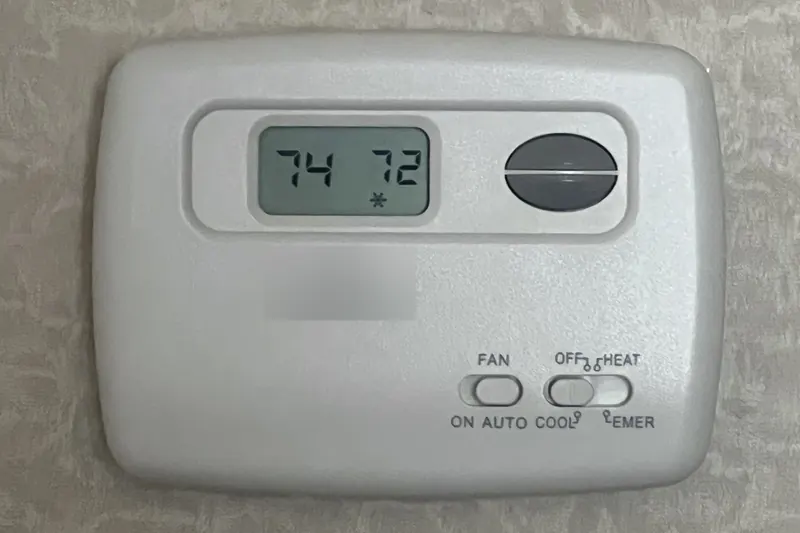
Placement matters as much as features. A thermostat on an outside wall, near a south window or in a hallway that catches the low winter sun will read warm on bright days and let the rest of the house go cold. On chinook afternoons, when sunshine pours through the windows, that error gets worse. An interior wall away from direct sun, supply registers and kitchen heat is the usual advice, and remote sensors can average the reading across rooms that matter.
Part 6Xcel money for a smart thermostat
Xcel Energy's Colorado rebate summary, effective October 1, 2026, lists $50 for an ENERGY STAR smart thermostat that is eligible for its AC Rewards program, and enrolling in AC Rewards adds a $100 bill credit plus $25 a year, according to the Xcel residential rebate summary. We noted those amounts on October 31, 2026. Xcel revises its offers each program year, so check the details in our Xcel rebates feature before you buy.
DOE winter thermostat guidance
°F
Part 7Humidity, cold snaps and the windows
Swings in outdoor temperature affect indoor humidity too. EPA's mold and moisture guide puts the ideal indoor range at 30 to 50 percent, its humidifier guidance says not to humidify above 50 percent, and the agency treats condensation on windows as a sign the air is too humid. AprilAire, which makes whole-house humidifiers, advises turning the humidity down ahead of a falling outdoor temperature so the windows stay clear, per its owner FAQ. On the Front Range that means watching the forecast after a chinook: when a cold front follows the warm wind, turn the humidifier down before the temperature falls, or use a control with an outdoor sensor that does it for you. Our piece on dry winter air goes further.
Common questions
Should the thermostat be turned down on a warm chinook afternoon?
There is no need. A thermostat holding a steady setting will stop calling for heat on its own when the sun and warm wind cover the load. Changing it by hand only adds the risk of forgetting to turn it back up before the evening cold returns.
Why does the house feel cold on a windy, mild chinook day?
Strong wind pushes outdoor air through gaps around windows, doors and the attic, and that air movement feels chilly even when it is not very cold outside. The thermostat may also be in a sunny spot and reading warm. Air sealing and a better thermostat location help more than a higher setting.
How big a night setback is reasonable with a heat pump?
DOE's example shows a heat pump should handle a few degrees of recovery at mild outdoor temperatures without strip heat. Keep setbacks modest, use a heat-pump-aware thermostat, and watch whether auxiliary heat comes on during morning recovery. If it does, shrink the setback or ask a technician to check the settings.
Do smart thermostats learn chinook patterns automatically?
Some adjust to how fast the house warms and cools and use outdoor temperature data, but no thermostat predicts a chinook perfectly. What matters most is a sensible schedule, correct setup for your equipment and a good location for the sensor.
Is it worth enrolling a thermostat in Xcel's AC Rewards?
It pays a one-time enrollment credit and a yearly credit, and like any utility program it comes with conditions of its own. Read Xcel's current AC Rewards terms, including what the program does with your thermostat in summer, before enrolling.
Sources
- NWS Boulder — High Wind — what chinook winds are and how strong they get near the foothills
- Colorado Climate Center — Climate of Colorado — 25 to 35°F chinook temperature rises, milder winter averages
- Energy Saver on programmable thermostats, via the Wayback Machine — setback savings, 68 to 70°F, furnace myth, heat pump caveat
- Energy Saver on air-source heat pumps, via the Wayback Machine — strip heat example, balance point, wind and defrost
- ENERGY STAR — Smart Thermostats — field-data certification, compatibility check
- Xcel's Colorado home rebate summary, autumn 2026 — smart thermostat rebate and AC Rewards credits
- EPA humidifier care advice — keep humidifying under 50 percent; condensation as a warning sign
- EPA's short mold and moisture primer — the ideal indoor humidity range
- AprilAire — Owner Center FAQ — lower the humidity setting ahead of cold snaps